
 by
By Max Zembur
When I do my routine scroll through all of my social media platforms, I usually see the same kind of content; a GRWM video, a crazy news headline, some drama between some random influencers I don’t know.
However, every once in a while, I’ll discover an artist promoting a song they made. Not knowing if it was pushed to my feed naturally or financially, I like the ways it sounds, so I’ll add it to my Spotify playlist.
Just 15 years ago, discovering music looked like finding a song on the radio, finding an interesting album in the record store, or hearing about an artist from a friend. Now, platforms like TikTok and Instagram have made it possible for a song to reach millions of listeners overnight, while the algorithms decide what music people hear and which artists get left in the dark.
While this may make discovering new music easier, it also raises alarms about how much control we really have over the music we discover and how these algorithms are changing the music industry, one swipe at a time.
The biggest thing social media creators are trying to do is catch your attention, and so is the music industry.
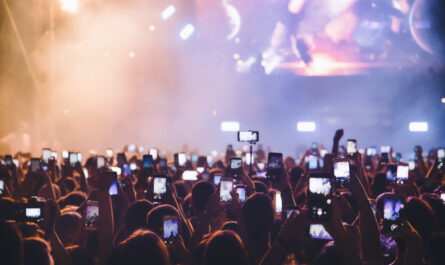
With the new rise of “TikTok songs”, big artists and their producers are manufacturing songs to include a 15 second hook designed for your algorithm. When music was being made for the radio, the whole song had to keep a person engaged to stay on the station. Now, songs are being manufactured to be used in a viral dance, or to be put in the background of a DIML video. In the modern-day music industry, a viral moment can be just as valuable as traditional marketing.
The more we interact with certain types of music, the more similar sounds and artists we tend to see. This can be great for smaller artists trying to get their music out there, since they don’t need any major record labels to reach new listeners. However, it can create this cycle, where we keep hearing the same styles of music, ultimately making it harder for different sounds and lesser-known artists to break through.
As society evolves with “TikTok songs” and relying on our phones for almost all levels of communication, it’s important to remember where some of these artists are coming from to get to where they are now. However, these viral trends play an important role in shaping the music industry, and all industries that interact with their consumers online.
Social media will continue to influence our listening habits and how our generation consumes music.



Hi Max,
I really enjoyed reading your blog post because I would not have thought to approach this discussion of social media from the music industry point of view, however, many of the things you mentioned are things that I notice on TikTok and Instagram almost daily. I specifically resonated with your line about how “In the modern-day music industry, a viral moment can be just as valuable as traditional marketing” because I think this shows how individuals and companies need to be flexible and transformative towards the types of marketing and branding that are relevant in today’s society, even if it might feel somewhat silly to create a 15 second clip of a song that is a “hook” rather than the traditional way of song writing which ensures that the entire song engages the audience.
I find myself sometimes getting annoyed when there is a “TikTok song” that I really like but then when I play it on Spotify, the rest of the song sounds completely different. I think this goes to show how important social media is in every industry, including music. In a way, It also goes to show the important of quality over quantity. Although the listener might not know the entire song, they know one short section of the song that they hear or enjoy frequently, causing them to remember the song and likely the artist as well.