
 by
by By Kate Pulsifer
On social media, brands are constantly jumping on trends in new and hilarious ways to garner awareness. If you’re trying to do the same for your own brand marketing, you may be asking yourself: How can I be funny online without being HR-meeting funny?
Know Your Stuff
An essential part of drawing eyes to your brand is staying up-to-date with what the internet is crazy about. Last week, it was Jake Paul AI memes and Jet-2 Holiday sounds. This week, it will be something completely new. As brands try to tap into the fast-paced internet environment, those who can’t swim risk drowning. To grab a hold of audiences like Gen Z, their heavy online use tells us that if you can’t meme it, you can’t market it.
Many memes harbor layers of inside jokes and references that signal belonging to specific internet communities. While they seem like they’re “just a joke,” these groups take them very seriously, and you’ll be subject to scrutiny if they can tell you don’t know what you’re talking about. Don’t just laugh at these memes, but study them. Being a savvy social media manager requires paying attention to these trends and online subcultures. You can stay up-to-date on the latest internet craze by following trending sounds, hashtags or relevant keywords. Being fluent in rising internet slang and trends is a vital social media skill. If you can properly use terms like “rizz,” “girl math” or “67” without sounding corny or inauthentic, you’re practicing audience analysis, which is a key skill in marketing, PR and content creation.
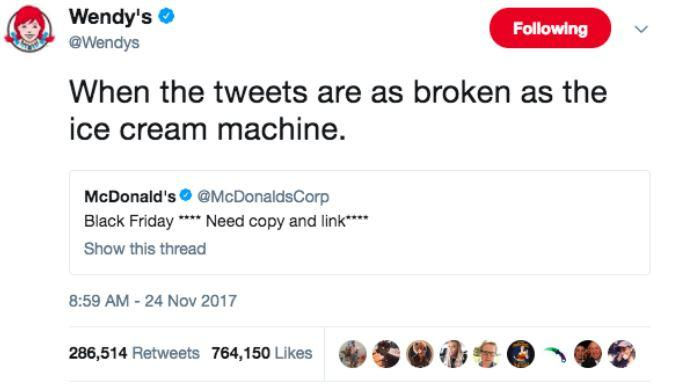
Knowing their language allows you to craft posts that actually resonate with your audience. It’s a particular skill called cultural fluency, and it involves code switching. Decoding and translating your target demographic is essential and will allow your brand to connect with them authentically. People love brands such as Wendy’s and Duolingo because they’re able to shed their corporate jargon and make funny and relatable memes.
Timing and Location
As a brand, the saying “time and place” really resonates. Brands should choose certain apps to be funny on, such as TikTok or X, and keep their serious business to more formal apps, such as Instagram or Facebook. When content is contextualized to a particular app, it shows that the brand can wear different hats. Consumers are becoming increasingly aware that a “one-size-fits-all” format can be tone-deaf and lacks creativity. Maintaining your brand’s image doesn’t require constantly posting, commenting or engaging with all trends, as that can lead to audience fatigue. It is best to wisely choose when and where you want to engage with certain content. Audiences can be quite sensitive when it comes to brands, and can even switch up in the blink of an eye. As a brand, if you engage with the wrong content by acting too fast or making a judgment in error, you risk harm to the reputation of your brand.
Have a Crisis Plan
In the unfortunate event that something goes wrong, how your business responds on social media can make all the difference in reviving or killing your reputation. Preparing for when things go wrong is essential, as they come fast and unexpectedly. An essential part of this is being upfront about mistakes and apologizing. If this isn’t done in the right way, audiences could perceive your message as disingenuous or forced.
Click below to check out my LinkedIn or shoot me an email!



Really liked this post! I totally agree that knowing the trends and internet slang before jumping in is super important; otherwise, it can come off as awkward or fake. I also liked your points about timing and choosing the right platform; it makes sense that not every trend works everywhere. And having a crisis plan is smart too, stuff happens fast online, so being ready is key. Definitely gave me some good tips for creating content that actually connects!
This is great! I love how relevant the subject of this post is. I enjoyed the last section talking about having a crisis plan and stressing how important that is for a company/person to have. It was also funny reading the examples of current trends that you included.