 by
Emily Hall
Scrolling through TikTok or Instagram, it is almost impossible to avoid fashion hauls. Influencers show off new clothes, style different outfits, and share discount codes with their followers. These videos can be entertaining and helpful when looking for outfit inspiration, but they also raise an important question: How can audiences tell when a creator genuinely likes a product versus when they are promoting it for a brand?
I think authenticity is one of the most important parts of influencer marketing, especially in fashion. A creator can have millions of followers, but that does not automatically mean their recommendations will feel trustworthy. When every other video features a new brand or sponsored haul, audiences may start to question whether the creator actually likes what they are promoting.
A real example of this issue is Lord & Taylor’s 2015 Design Lab campaign. The fashion retailer paid 50 influencers to post Instagram photos wearing the same paisley dress. Although the campaign generated significant attention and the dress sold out, the posts initially did not disclose that the influencers had been paid. According to the Federal Trade Commission (FTC), the campaign was misleading because the posts appeared to reflect independent opinions rather than paid advertising.
Although this campaign happened years ago, the issue is still relevant to today’s sponsored fashion hauls. When a creator presents a product as a personal favorite without being transparent about a brand partnership, followers may not realize they are watching an advertisement. This can affect the trust that makes influencer marketing effective in the first place.
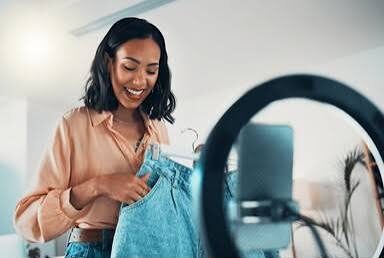
Fashion haul videos show how influencers can provide outfit inspiration and product information while also influencing what their audiences choose to buy.
Research also suggests that fashion hauls can be valuable beyond simply encouraging people to buy more clothes. A 2026 study on sponsored fashion hauls found that outfit inspiration and useful product information can influence viewers’ purchase intentions. This suggests that creators can provide real value when they show how to style pieces, explain fit and quality, or help viewers decide whether an item suits their needs.
So, what should brands do differently? Instead of choosing influencers based only on follower count, brands should look for creators whose personal style and audience naturally fit their products. They should also allow creators to communicate in their own voice rather than making every post sound like a scripted advertisement. Finally, paid partnerships should be clearly disclosed, as explained in the FTC’s social media influencer disclosure guidelines.
Ultimately, fashion influencer marketing works best when audiences have a reason to trust the person behind the post. A sponsored haul does not have to feel fake, but honesty and a genuine connection to the product matter. In a feed full of advertisements, authenticity can be what makes a creator stand out.
Linkedin:


Hi Emily!
I really enjoyed this article and I think it is super accurate and important. I appreciate how in your second paragraph you mentioned how people start to question whether these creators actually like the clothes they are promoting. With these popular creators who are seen as “cool girls” or “fashion icons” people thrive to be and look like them so having an authentic creator who actually like what they are promoting is important for people. Trust is super important especially in influencing!
Hey Emily, I really agree with the part where you explained that brands need to starting picking and choosing their influencers wisely, in a way that fits the brands needs, interested in personal style, and can understand the brands audience. Not simply just because of follower count. I feel like every time I am using social media and brand review come sup on my page its hard to pick apart that authenticity, the points you made here were great. Brands should pick the best fit, rather than just high amount of followers.
Hi Emily,
I really like this topic that you chose because it is definitely a growing issue as influencers grow more and more on a daily basis. This is similar to my topic I chose, which was about influencers losing touch with reality because of how many items they receive. We had a few similar points, but something different that you brought up which I enjoyed is the point of authenticity. It is very hard for audiences to differentiate what an influencer actually likes versus doesn’t like when there are so many products or clothing items circulating. I think it is also interesting to look at how influencers can persuade audiences to buy from certain brands even if this brand isn’t completely ethical or environmentally responsible. Even though it might not align with a customers values, they might still purchase something because of the trust that they’re putting into influencers.
Hi Emily! I’m very intrigued by this topic as it’s an issue I perpetually run into on social media. Your sentence of “How can audiences tell when a creator genuinely likes a product versus when they are promoting it for a brand?” really nails how I feel about it. I’m much more likely to trust a creator/influencer whose account I’m familiar with, and trust to some degree, but that completely changes when I see anything that indicates that they profit off of my purchase — whether that’s a affiliate link in the caption, a TikTok shop banner, or a hidden #ad hashtag. Even if I trust a creator, or the person in the video is really selling a certain product and convincing me to buy it (in your case, clothes), that trust goes out the window with a TikTok shop link. You have a really great analysis here, and I think you break down the nuance in the issue quite well!