 by
By Caitlin Stone
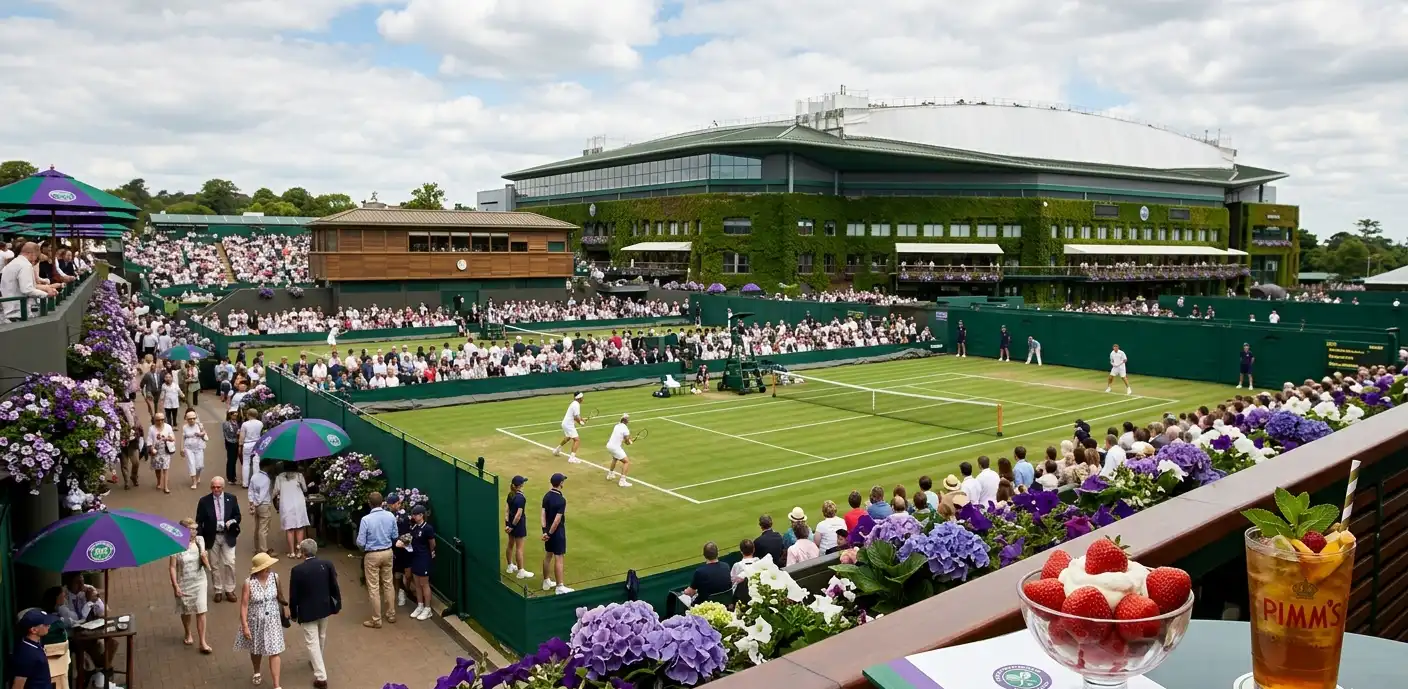
Just after the US Open Tennis tournament, the The Press Association announced that Wimbledon will not issue content credentials.
This was a response to content creators and their behavior at the US Open. While Wimbledon has never issued content creator credentials, a direct statement that they won’t suggests they don’t support them.
What does this mean? And what are some possible implications?
First of all, here is what credentials can do for the influencers:
In 2025, the USTA, which runs the U.S. Open, created a separate credential for content creators. It gave them access to media facilities and press conferences, and the ability to ask players questions, similar to credentialed journalists. In 2026, the U.S. Open almost doubled the number of content creator credentials it issued, rising from around 53 the previous year to almost 100 in the 2026 season.
The U.S. Open and Creators
The U.S. Open started giving out these credentials to broaden coverage of the tournament. Through social media and these creators, the environment of the tournament has only gotten rowdier and more lively, being known as the “superbowl of tennis.”
But this year, has it crossed the line?
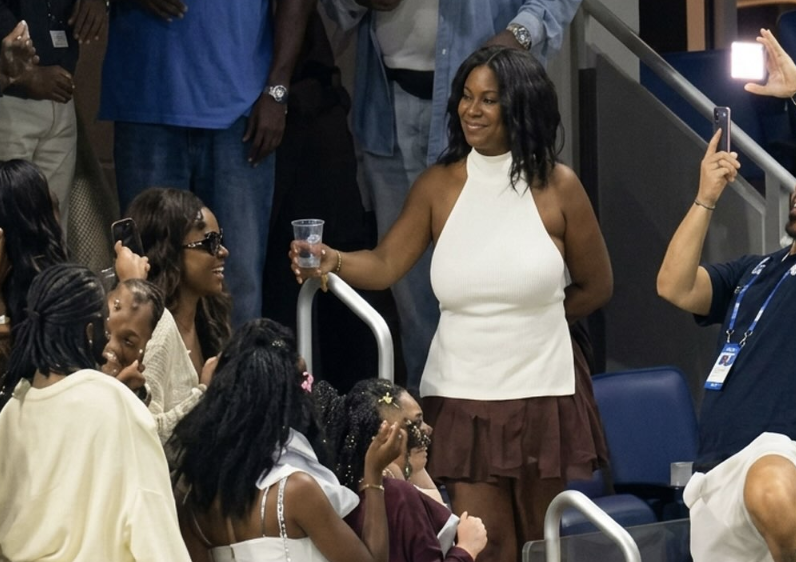
On Wednesday night, the USTA sent a message to ticket holders asking fans to refrain from disruptive activities, including making noise, taking flash photos, and using ring lights. This followed an incident on Monday night that forced the umpire to stop play.
Many stakeholders strongly support content creators in this environment because they build excitement and hype around a less popular sport. It has brought new fans to the sport, who are now attending the tournament.
On the other hand, it has created controversy because tennis is known as a classy, respectable sport. Many of these fans do not know tennis spectator etiquette. Common rules include complete silence during the point, only getting up/down on changeovers, and not applauding unforced errors and double faults. With match attendees not knowing the do’s and don’ts, this has led to boisterous crowds that many long-time fans, players, and coaches do not appreciate.
https://www.instagram.com/p/Dc_RvO6Dpeb/?img_index=3
Wimbledon banning content creator credentials
On Monday, September 7th, during the US Open, the Press Association announced that content creators will not receive credentials and that common content-creation equipment (e.g., ring lights) will be confiscated.
What are the implications of this?
Not distributing creator credentials suggests Wimbledon does not support influencers and they don’t want people making media content. Fans, coaches, players, facilities workers, and others may feel discouraged from creating and posting on their individual accounts.
With the rise of social media and content creation, spectators and fans go to apps like TikTok and Instagram for match outfit inspiration, venue food recommendations, match updates, and more. That content doesn’t come from a brand organization or account; it comes from people attending those sporting events.
So this raises the question: how can Wimbledon keep up with other tennis tournaments and general sports competitions without supporting content creators?
Many people, especially the younger generation, have become fans of athletes, sports, or sporting events because of content creators. The creators break down barriers between fans and athletes or teams, helping fans create an emotional connection with the sport and build relationships with it.
Without content creators, a gap remains between the fan and the tournament.
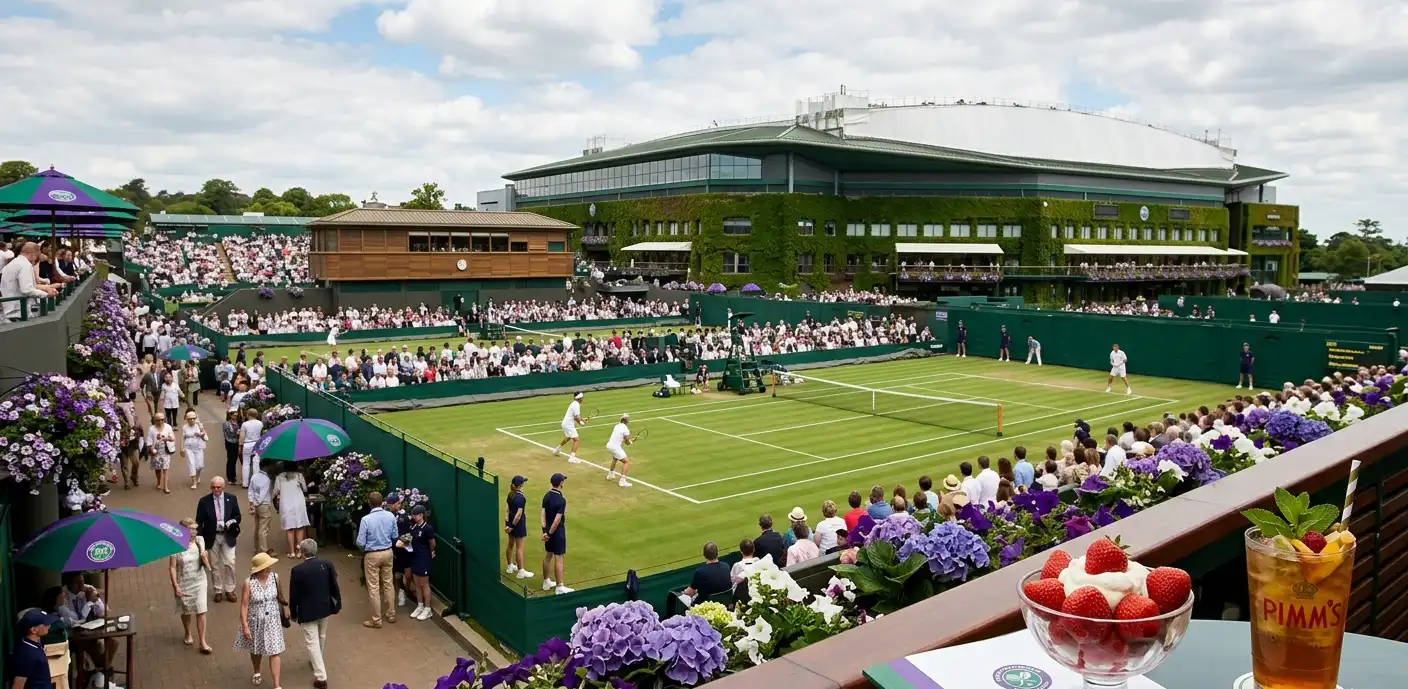
However, there is a catalyst. Wimbledon has something many other sports and sporting events don’t. And that is tradition, and it is one that people stick to.
All-white. Strawberries and Cream. Rolex. Grass. Queue. The Royal Box.
https://ticket-compare.com/wp-content/uploads/2026/06/Wimbledon-panoramic-illustration.webp
That is what people expect, and it is what they get. And everyone knows it. Is that enough to get by without hopping on the social media, influencer, and content-creation trends?
In my opinion, yes. For Wimbledon, the tournament is the content and doesn’t need an influencer to promote or explain what it is. For now, I will bet on tradition and trust that it does not need to be discovered through a screen.