 by
By: Emilia Flashberg
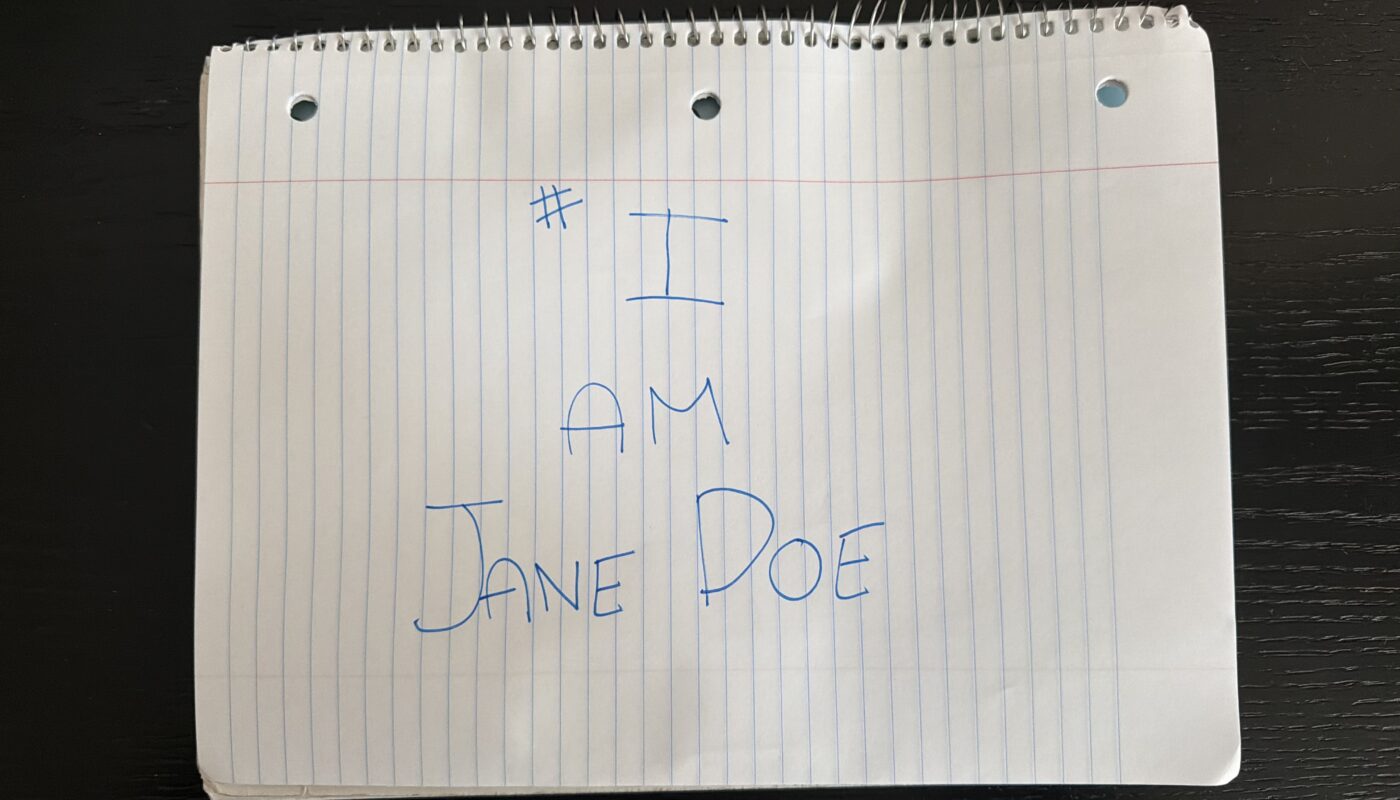
Social media has always been a space where people feel free to share their experiences, stories, and opinions. More recently, the hashtag #IAmJaneDoe has shown just how powerful these platforms can be when they come together and unite to bring awareness to a serious issue. What started as a response to a sexual assault lawsuit that involved students at Cornell University has taken off into a national conversation about sexual violence that occurs commonly on college campuses, including our own school, the University of Oregon.
Origin of #IAmJaneDoe
In September 2026, a former student at Cornell University filed a lawsuit stating that she was sexually assaulted by seven fraternity members in 2024. The woman chose to keep her identity private and is referred to as Jane Doe. Not only was she calling out the men who raped her, but also the school itself for mishandling the situation. The accused men have denied any part and the case is still under investigation.
The case gained attention in a rapid manner and people online tried to identify Jane Doe. The response to this was thousands of social media users posting videos and messages saying, “I am Jane Doe.” Their movement was a way for women and other supporters to stand in solidarity with Jane Doe all while protecting her anonymity.
The shared hashtag approach was especially impactful because people worked with the social media algorithms and used it to their advantage. Instead of trying to make one person’s identity go viral, users flooded various platforms with the same name, making it that much harder to identify the woman involved.
From Cornell University to the University of Oregon
While the movement ignited from Cornell University, it has influenced conversations surrounding sexual assault on many college campuses, even our own at the University of Oregon. On September 30, UO notified students about five reported sexual assault cases that occured on or near campus. These reports raised serious concerns among the student body, especially since the school year had just started a couple days earlier.
On October 4, around 100 students and community members gathered together to protest sexual violence and demand for greater accountability. The Register-Guard covered the protest and highlighted how the Cornell case and local reports have contributed to the growth of this important and necessary conversation. The Daily Emerald, the campus paper, also covered the concerns surrounding the reported assaults, the response from the university, and student responses speaking out about their own experiences.
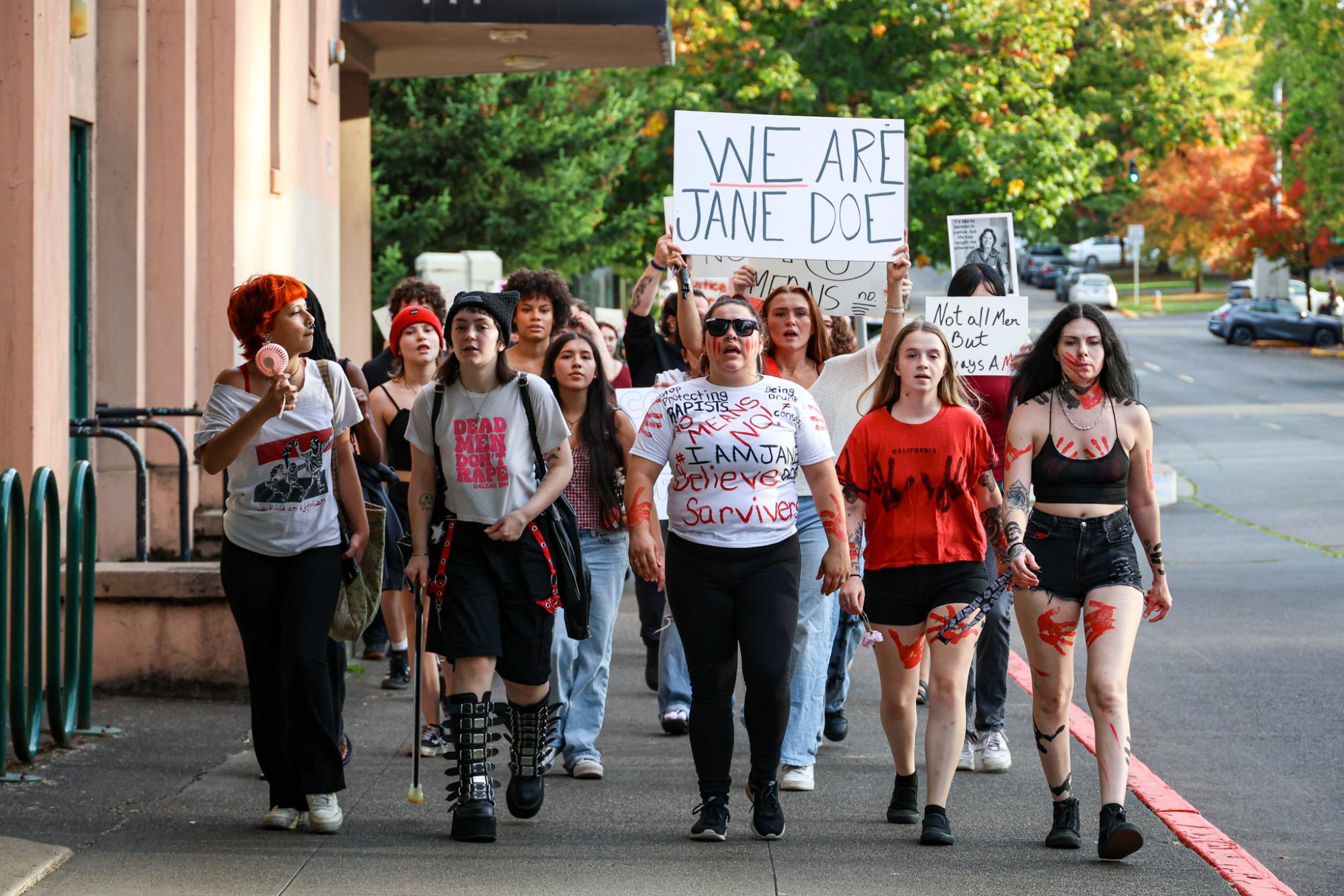
As a UO student, this issue feels much closer to home because I live in the surrounding areas and walk to and from campus constantly day and night. Seeing these conversations online and knowing that similar issues and concerns are being raised on my own campus show why awareness matters and is so important.
The Power of Social Media
One of the most powerful parts of #IAmJaneDoe is that it allows victims an opportunity to share their stories without feeling completely alone. They also have the choice to stay anonymous and private for the most part. This is really beneficial for someone who might not be ready to fully share their story yet.
This movement reminds me of and is similar to #MeToo, where social media helped turn individual experiences into a much larger conversation.
The article from Fast Company explains how users have been able to turn social media algorithms into a tool for collective protections. However, going viral doesn’t automatically create change. It is necessary for Universities to continue to respond to concerns, provide resources, and create environments where students feel safe and like they can report sexual assault.
The biggest takeaway to me is that social media has the power to be more than just entertainment. A single hashtag can connect and unite people across universities, encourage difficult conversations, and inspire students to take actions beyond hiding behind their screens.
The main question now is whether the attention that stirred from #IAmJaneDoe will lead to lasting changes and progress in how universities address sexual assault.
Connect with me:
My Linkedin – Emilia-Flashberg


