 by
By: Chloe Gall
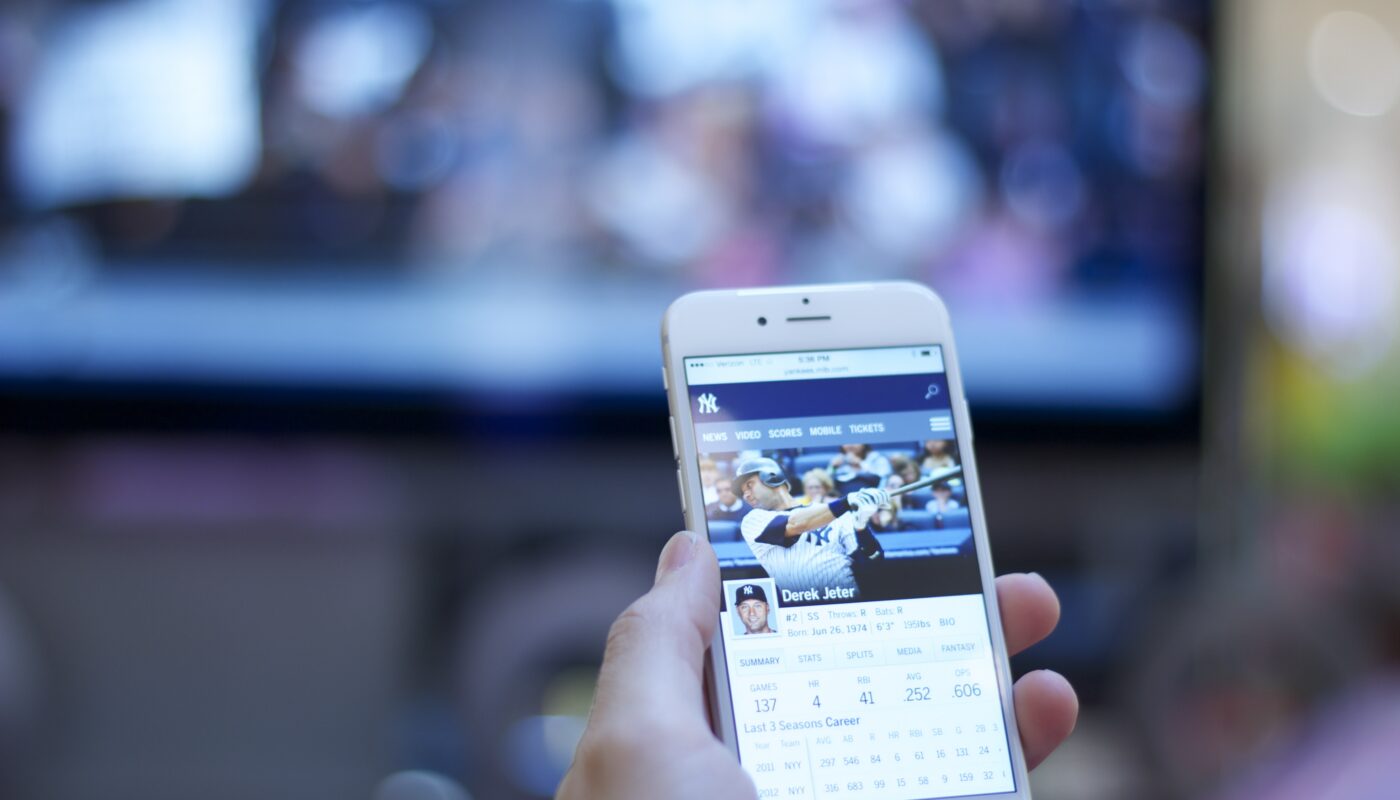
Over the past few years we have seen the rise of sports within the social media world. Social media and specifically fandom are transforming the sports industry by changing how fans watch games, interact with athletes, and support their favorite teams. In the past, sports fans primarily followed events and teams through television, newspapers, and radio. Today, we see fans interact through platforms such as Instagram, TikTok, YouTube, and X. These platforms allow fans to access highlights, breaking news, interviews, and behind the scenes content almost instantly. This shift in sports has made it more interactive and accessible for fans all over the world.
Social media has completely transformed fans from being passive viewers into active participants of the sports community. Fans can now comment on games, share opinions, create memes/edit/blogs, and discuss performances with other supporters worldwide. Online communities on platforms like Reddit, Discord, and X help fans build connections based on shared interests and team loyalty. These interactions strengthen relationships between fans, athletes, and sport organizations; they are especially important for fans of a team in a different state or city than the fan lives in. The connections made are creating a more engaging fan experience beyond game day.
One very important aspect of social media is how athletes can now use platforms to develop their personal brands and communicate directly with supporters. One example I can think of is Jared McCain, a basketball player for the Oklahoma City Thunder, McCain created a well-known online presence during his time playing basketball for Duke University just by posting TikTiks. McCain shared videos of his day to day life as well as videos of his basketball achievements, in doing so he created a strong fanbase and online identity. These platforms allow athletes to promote themselves and businesses, collaborate with sponsors, and share aspects of their personal lives. As a result, athletes can generate additional income through endorsements and partnerships while also gaining control over their public image.
Social media provides great opportunities for sports that receive less traditional media coverage, especially women’s sports. Women’s basketball, women’s hockey, skateboarding, and esports can attract new audiences through viral videos like highlights and athlete-created content. Fans now can discover talented athletes and competitions that might otherwise receive limited attention. An example I think of is figure skating in the Olympics, during the 2026 Winter Olympics in Milan there was a huge increase in people viewing the figure skating programs and this is thanks to the wide reach the figure skaters had on Tiktok. According to the International Skating Union (ISU) the 25 day period of skating gained 16.9 million social engagements and 632+ million social media impressions which was record breaking for the program. This increased visibility can attract sponsorships, grow audiences, and create new commercial opportunities for athletes and leagues.
Social media and fandom are completely reshaping the sports industry by creating new opportunities for engagement, marketing, and revenue generation. Fans now influence sports culture rather than just partake in it. Athletes have greater control over their own personal brands, while teams and sponsors can connect with audiences more directly. Ultimately, we are seeing a switch from the industry just being about watching a game to becoming a digital community with consistent fan participation and engagement. Sports organizations that embrace this change are working towards maintaining a genuine connection with fans that will better position them for long term success.
Connect with me: Linkden
Photo Credit: Pxhere (No attribution required)


I really enjoyed reading your blog about the sports industry and how social media platforms have begun to shift the whole experience for athletes and fans. The connection between fans and their favorite athletes has become a much deeper emotional relationship because of the behind the scenes content they share and the access we have to them. I think it is really smart for athletes like Jared McCain to begin building a social media presence early on to proactively begin building a community of fans. This leads to bigger NIL and partnership opportunities down the road. Overall, I found it interesting to read how much social media has changed the sports industry and am interested to see how it continues to shape it going forward.
I really enjoyed reading this blog as it relates to our client for our project in class. I think that social media plays a big role in the sports industry now compared to before so it’s important to leverage this in terms of brand awareness or just bringing in people to attend the games, like we saw with the example you provided above about the attendance in the figure skating at the Olympics. Social media is a great way for fans to connect with athletes and teams because it builds a deeper and interactive connection between fans and athletes. Having that emotional connection helps create loyal fandoms which is essential for sports organization.