 by
By Elena Thompson
In theory, being a “meme” essentially means being the butt of a joke, a position no sane person, or brand for that matter, would willingly want to be in. From the inability to control public perception to the potential damage to a brand’s prestige, the whole thing should be a PR nightmare. However, time and time again, we witness incredible organic brand awareness emerge from otherwise humiliating meme content.
From Boeing becoming the subject of countless aviation jokes surrounding its safety record to Duolingo’s infamous green owl becoming an icon of internet humor, brands are constantly finding themselves at the center of jokes they didn’t necessarily create. More recently, we’ve seen memes about Arc’teryx jackets being capable of repelling everything from rain to tears, and Tesla vehicles appearing in all sorts of ridiculous scenarios.
And while, at first glance, these jokes seem obnoxious, sometimes bordering on defamatory, there’s a very important function they’re accomplishing. Creators and regular people are voluntarily distributing branded content that has the power to reach audiences brands can only dream of capturing through social media.
The Joke’s on You. Or Is It?
Here’s where the relationship between meme culture and brand awareness gets interesting. Not all publicity is good publicity, but sometimes even jokes at a brand’s expense reinforce the exact qualities it wants consumers to remember.
The perfect example of this, and one of my personal favorites, is Arc’teryx and its position within meme culture. While Arc’teryx’s name is involved in extremely niche and often inappropriate jokes, the memes actually reinforce one of its strongest selling points: product performance. If your cat’s fur is water-resistant, it’s an Arc’teryx cat. If you’re crying and the tears bead off your jacket, that’s how you know it’s real Arc’teryx.
These seemingly ridiculous jokes accomplish something most traditional advertisers only hope to achieve. They reinforce a recognizable product attribute through humor, without the brand having to deliver the message itself.
Tesla represents a more complicated example of a meme brand. The Cybertruck’s unusual, and frankly ugly, design has inspired an overwhelming number of jokes, mostly negative. Even so, the vehicle has become instantly recognizable.While recognition doesn’t necessarily translate into positive perception or sales, it shows how far brand recognition can go.
Think Like a Meme
Here’s where I think advertisers get tripped up in their constant pursuit of viral content: making a meme is different from becoming a meme. It’s the difference between a brand posting a recycled meme template and consumers independently turning its products into a cultural phenomenon. The latter requires something advertisers aren’t always comfortable with: giving up control.
Usually, brands put time and money into researching their audience to manufacture a style of advertising that they already respond to. While this is important for targeted, structured selling and expansion, there’s also merit in investigating what characteristics people exaggerate and what stereotypes have developed around the brand.
Rather than inserting themselves into trending jokes where they might not naturally belong in an attempt to leverage trends, brands should pay attention to the humor already surrounding them. Understanding how people are making fun of your brand, your products, or your ads can give you the opportunity to contribute to trends with original content.
The Last Laugh
Ultimately, I think brands should be less concerned with controlling every conversation about their products and more interested in understanding why those conversations happen in the first place. In many ways, the focus should be on building something genuinely worth talking about.
Hopefully nothing life-threatening or genuinely offensive, but be willing to embrace the nonsensical, borderline mean, hilarious, and occasionally uncontrollable ways consumers interpret your brand.
Because even when a joke is at your expense, the conversations surrounding it might teach you more about your audience than any carefully constructed campaign ever could. And who knows? Brands might just get the last laugh.
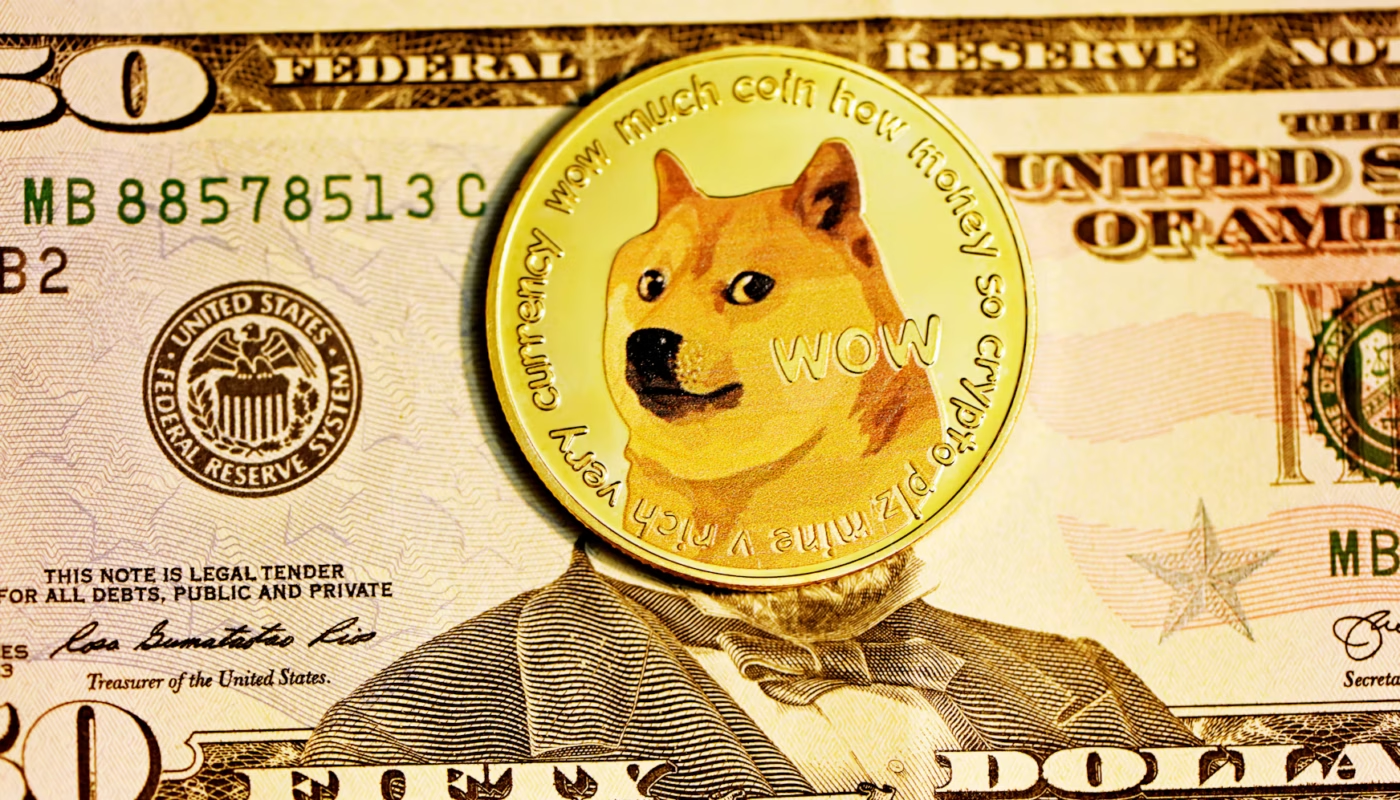
Photo Credit: https://unsplash.com/s/photos/doge-meme
Follow me on LinkedIn!: www.linkedin.com/in/elena-thompson-576302207