 by
by By Molly Armitage
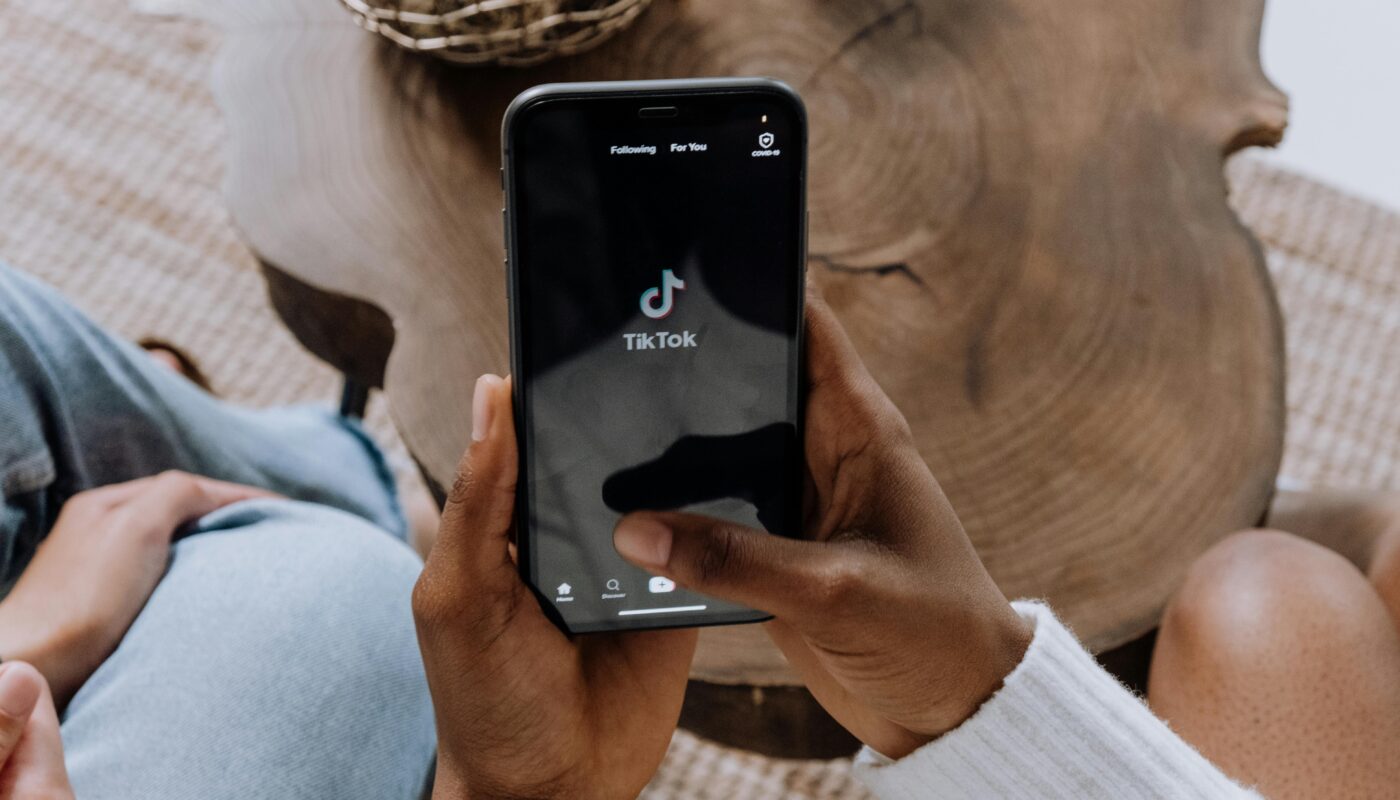
When researching a new restaurant, looking for skincare products, or finding a workout routine, many people’s first instinct might simply be to Google it; however, Gen Z is shifting away from Google, not to another search engine, but to TikTok. The world’s most downloaded entertainment app in history, originally built to share short-form content dominated by dance and lip-syncing videos, has recently become the place that Gen Z searches for information.

Prabhakar Raghavana, Google senior vice president, at the FORTUNE Brainstorm Tech 2022
Prabhakar Raghavan, a Google senior vice president, explains, “Almost 40 percent of young people, when they’re looking for a place for lunch, they don’t go to Google Maps or Search. They go to TikTok or Instagram.” While Google provides efficient access to information, TikTok’s personalized video results are alluring to young people. The targeted algorithm and engaging short-form videos allow the audience to feel more connected to the information they are searching for, rather than simply scrolling through links on Google. TikTok as a search engine fulfills a sense of authenticity and relatability that Google lacks. The content is also far more digestible. Instead of searching through various websites, TikTok immediately feeds users personalized videos tailored to things like their age, location, and interests.
This shift, however, comes with risks. As social media becomes a primary source of information, users face a higher risk of misinformation, bias, and commercialization. TikTok’s videos are not fact-checked; therefore, the videos are more likely to contain inaccurate material. Additionally, with the precision of the TikTok algorithm, users are more likely to view information that confirms their previous biases. This reinforces echo chambers, environments in which social media users are exposed to content that affirms their beliefs. Finding informational content on social media also puts users at risk of misconstruing genuine reviews with advertisements. Widespread monetization and hidden sponsorships on applications like TikTok blur the line between authenticity and marketing tactics.
Nonetheless, the trend is clear: Gen Z is shifting towards short-form content to discover and learn new information. To keep up, journalists and other communicators are bringing their digital media to TikTok. Additionally, search engines like Google are testing new ways to make their content more digestible, such as the AI overview feature. TikTok isn’t replacing Google altogether; however, it is changing how people expect to gather information and receive media. For Gen Z, the search isn’t necessarily about the information itself, but the accessibility, connection and resonance.
Sources: Fortune On Demand, TechCrunch




I think that using TikTok to search tips, hacks, or recipes is useful because it probably filters the content better than Google, showing you videos that are more compatible with your account or feed. However, I agree that using TikTok instead of Google to find news or important information can spread misinformation/disinformation.
Hi Molly!
I was JUST thinking about this as it applies to my own life, I do tend to search tiktok first now because it does confirm what I want to hear/bias I have which subconsciously and consciously, is more enjoyable. It also tends to feel more “real” because it will be a video of someone talking to you vs a written article or an ad.