 by
By Victoria Nunez
Have you ever purchased a product because your favorite influencer recommended it? Their influence goes beyond what we buy; it can also shape how we dress or even the slang we use. Sometimes, we imitate influencers because we admire their lifestyles, trust their taste, and want to feel connected to them. That connection is what makes influencer marketing so powerful.
But are we buying products because we genuinely want them, or because we admire the people promoting them?
How can we tell when an influencer genuinely believes in a product, even when they’re being paid to promote it? Being paid doesn’t necessarily make a recommendation dishonest, but it does raise questions about how influencers maintain their audience’s trust.

Photo by Afffect on Unsplash
What Makes an Influencer Authentic?
In my opinion, there’s nothing wrong with influencers getting paid for their work; at the end of the day, they are their own brand. What matters most to me is whether the brand partnership feels genuine or simply transactional. A partnership feels most authentic when an influencer has previously used the product, when it aligns with their personal brand, and when they’re transparent about sponsorships and their experience using it. When a product naturally fits into an influencer’s existing content, the recommendation feels less like an advertisement and more like something they would genuinely share.
When Brand Partnerships Make Sense
A collaboration that comes to mind is Charli D’Amelio’s partnership with Dunkin’. At the time, I personally noticed more conversations about Starbucks than Dunkin’ on social media. Rather than creating attention from scratch, Dunkin’ tapped into the interest Charli had already built around the brand by introducing a drink named after her. Socially Powerful reported a 57% increase in Dunkin’ app downloads that quarter and a 20% increase in its cold brew sales, though those figures don’t establish that the partnership alone caused the increases. What made the collaboration feel authentic to me was that Charli had already featured Dunkin’ in her personal videos before the official partnership. Because her audience was already familiar with her connection to Dunkin’, the partnership felt like a natural extension of her content rather than a random advertisement.
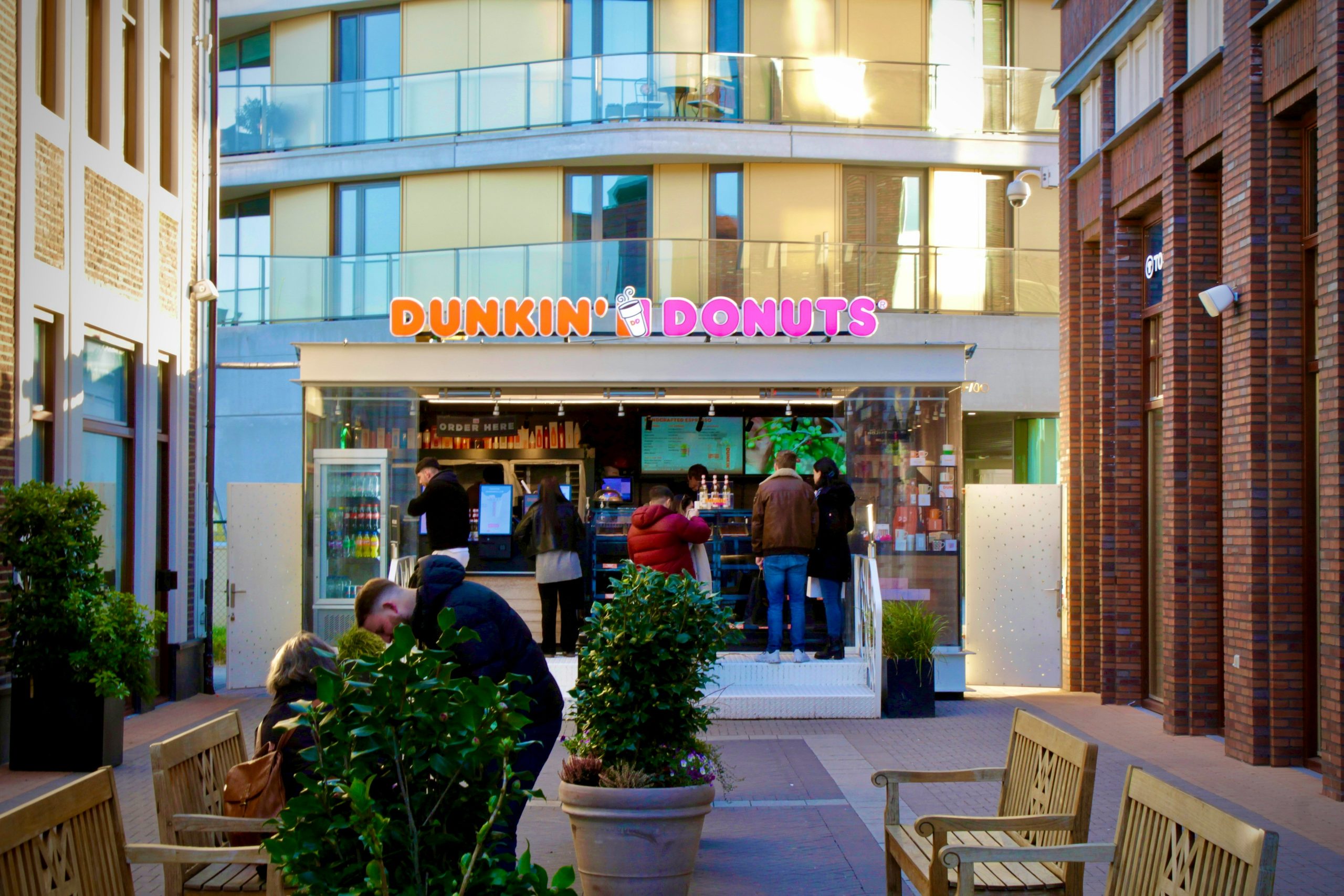
Photo by Ellysa Jordens on Unsplash
Why This Matters for Brands
From a public relations perspective, an influencer’s large following doesn’t necessarily translate into higher product sales. I think brands should put themselves in consumers’ shoes and consider what makes an influencer’s recommendation trustworthy. Before entering a collaboration, brands should review an influencer’s values, content history, and previous partnerships to determine whether they align with the brand’s identity. There’s a difference between feeling like someone is genuinely recommending a product and feeling like they’re simply trying to sell it to you.
The Real Value of Influence
Ultimately, a successful partnership shouldn’t be measured solely by an influencer’s follower count or engagement. I believe success also depends on how genuinely a product fits into an influencer’s everyday life. Consumers want to trust that a product delivers on its promises rather than hearing another exaggerated sales pitch. While both brands and influencers should benefit from a partnership, creators also have a responsibility to protect the trust they’ve spent years building with their audiences. Perhaps we’re buying into both, but the trust we’ve placed in the influencer is what makes the product worth considering.
AI Disclosure: I used ChatGPT for brainstorming, organization, and editing feedback.


