by
by By Katherine Silva
Trigger Warning: Mention of Sexual Harassment, Sexual Violence, and Stalking.
541-346-SAFE.
Printed on the backside of every University of Oregon student ID, advertised at every IntroDucktion, and included in every campus-wide email written in response to sexual violence at Cornell and UO, the “SAFE” hotline promises security that UO cannot offer.
When I started my first year at UO, I never imagined a deleted LinkedIn connection request would lead to stalking, harassment, and an in-depth tour on how UO prioritizes confidential reporting as a solution to Title IX complaints. I never imagined the Care and Advocacy Program (CAP) coordinator would respond to a whole term of stalking and sexual harassment in my dorm, in my classroom, on LinkedIn, and even at an interview with, “Are you sure he isn’t socially awkward and can’t properly express that he likes you?”
I never imagined a stalker would even target me.
Nearly two years after that fateful connection request and over a year after the stalker graduated free of consequence, I finally felt free of the anxiety, free of my neck aching from turning to look behind me… only for news from Cornell and news from our campus to bring the anxieties back to the front of my mind.
When you report a Title IX violation to the SAFE hotline or Care and Advocacy Program, you speak with a confidential employee. While some employees are mandated reporters, CAP employees can listen to reports of sexual violence, advise student on their options, and do nothing if the survivor does not ask to escalate their report.
In my case, CAP listened to my story of stalking in plain view of dorm security cameras, and gave me an evidence document to record incidents and gather my own video evidence.
They informed me stalking is hard to prove, and I either felt safe enough to continue living in the same dorm as my stalker, or felt so unsafe I needed move my entire life half an hour across campus during week ten in the rain.
They informed me that after my stalker sat in the front row of my lecture, stared at me sitting 3 rows back for two hours, and tried to follow me back to my new dorm, that I could only drop my class.
They informed me the university couldn’t do anything about my stalker having a gun in the dorm because I didn’t see the gun and my male friends were too scared to report the gun themselves.
They even informed me stalking and sexual harassment on LinkedIn by UO students was very common.
CAP showed me how confidential reporting through university resources keeps crimes confidential, and forces survivors to relive their abuse in front of every professor with a LinkedIn assignment and every employer with a social media presence, because survivors have no privacy and no confidentiality on social media.
CAP showed me that “SAFE”ty and privacy is not something students can expect after meeting with confidential advocates.

In the wake left across social media by the news from Cornell and UO, survivors have experienced doxxing, survivors have voluntarily shared their own stories of university resources failing them, and survivors have passively consumed reminders of their abuse and lack of safety.
My story never escalated to an official report that year, but according to The Register Guard, UO did document “295 reports of sexual harassment, assault, stalking, and other violence”. How many other crimes remained confidential because survivors had no guarantee of academic or physical safety on campus and no privacy online?
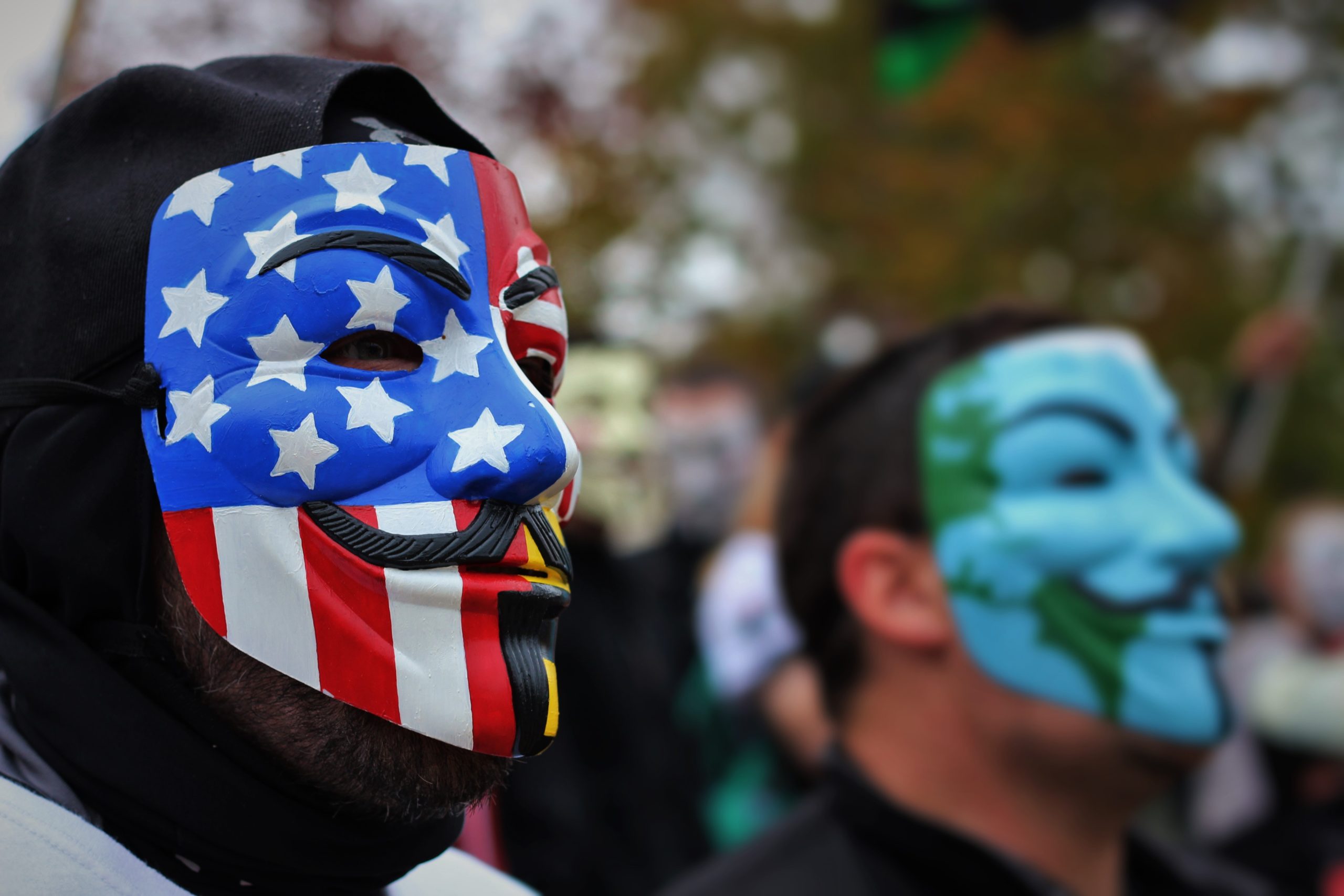
Feature Image from Stalking Prevention, Awareness, and Resource Center (SPARC).