
 by
by 
By: Odile Williams
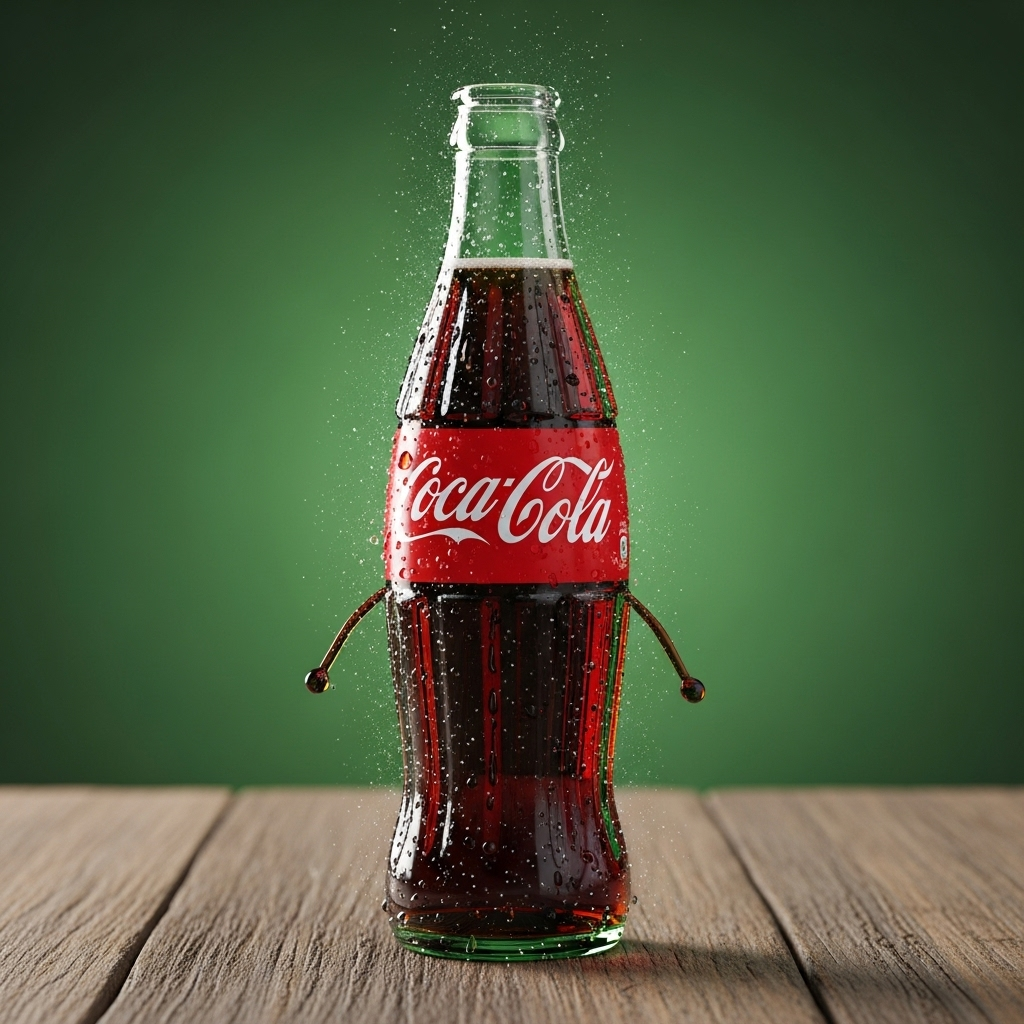
Coca-Cola is receiving backlash online for their new AI generated holiday advertisement ‘Holiday’s are Coming‘. The ad is riddled with AI art, from the animated animals with the uncanny valley AI gleem, to the giant ‘Coca-Coola’ truck with a typo in their own brand’s name. The ad is overtly AI and honestly done very sloppily, but it raised questions among people on the internet about whether this controversial marketing strategy is purposely feeding into contentious feelings about AI, or if it’s just another dumb lazy strategy by a big conglomerate that knows it’s audience will buy the product no matter what.
This isn’t the first time Coca-Cola has used AI in their advertisements, in 2024, they released a very similar ad to their 2025 Holiday’s are Coming video, with the same giant AI generated trucks rolling through a Christmas themed town, also very obviously AI generated.
So, what’s the upside to using AI generated video’s for their advertisements? For one, it dramatically cuts production costs for Coca-Cola, saving money on virtually every facet of production such as set design, 3D artists and animators, writers and directors, and any cast members the would need.
But does ‘rage bait’ marketing really work in the long run? Controversial marketing strategies have a history of blowing up in brands faces, take American Eagle and Sydney Sweeney Has Great Jeans ad for example. The intent was to be flirty, funny, maybe a little sarcastic and ironic, but instead it came off as entitled, out of touch, and a little racist? She was crucified online and stirpped of any respect she had in the public eye, especially towards women and minorities, who felt the ad was targeting anyone who looked differently than her.
Islam ElDessouky, global vice president for creative strategy and content at Coca-Cola told reporters that “Sure, there is noise and there are people who talk and criticize, but this is one of our top-tested ads in history, period, The masses, the audiences, do not necessarily look behind the technology. They just look at the story that they’re receiving, and then they respond to it.” ElDessouky said.
So is Islam ElDessouky right? Should we not look beyond the technology and only take the advertisement for what Coca-Cola intended us to, a nostalgic, magic filled, animated campaign? Or do we look beyond the slop and uncover what they’re really doing, phoning it in and cutting costs in order to maximize profit and minimize effort.
Socials:
X: sleepyddk



Hi Odile! Your breakdown of Coca Cola’s AI-generated holiday ad and the controversy it caused was so interesting to read! I especially liked how you connected the sloppy execution to bigger questions about whether this is intentional “rage bait” or just cost-cutting disguised as creativity. Bringing in the Sydney Sweeney example helped show how easily these strategies can backfire.
I found this post super interesting! I knew that AI was becoming more prevalent in different industries, but it is bewildering to me that billion dollar companies would release a sloppy commercial that is completely AI, most likely to just cut down on costs. I loved your elaboration on the rage-baiting as well, because it does bring up the question on if they made it bad on purpose.
Hey Odile! You did a strong job breaking down why Coca-Cola’s AI ad feels sloppy and how it ties into a bigger trend of brands relying on controversy or cost-cutting instead of quality. I especially liked how you compared it to other campaigns that backfired. This helped show that “rage-bait” marketing isn’t always a smart long-term strategy, but is interesting to look at the ways that it succeeds in grabbing attention. Your questioning at the end about whether audiences should look past the tech or hold brands accountable was a thoughtful way to wrap it up.
Odile,
I was hoping to see a post about this! You did an incredible job explaining the details related to this ad. I think so many people disapproved of this ad due to the presence of AI- none of us are sure how to approach that yet. I really like how you mentioned raige-baiting as well, and it is an interesting idea if this was done purposely for the audience.
Hi Odile!
I thought your post was very interesting to read. I think Coca-Cola could do little-to-no marketing at all, yet still continue to sell so much of their product. When I read the first part of your blog saying how Coca-Cola used AI, I immediately thought “why would Coca Cola use AI? I would think they could hire some of the best talent in the world for their company.” Later on, when you said it could be taking shots at AI, or to cut costs, it raised an interesting conversation. In my opinion, Coca-Cola using AI seems lazy and greedy, as they are a company that rakes in so much money.
Really great job!!!!
Hello Odile!
I’m glad someone covered this topic because it has bothered me since I saw the ad. I love the idea the company might have done this on purpose to draw attention, because it certainly worked. Coca-Cola is posited as a brand that could get away with this because people would still buy the product pretty much no matter what. I also like that you mentioned the concept of rage baiting, as Oxford just named it the word of the year. But, in my opinion, I do think its pretty lazy and gives smaller companies permission to phone it in.
Hello Odile, such a great article and an even better topic to write about in this current climate. AI is at volatile place because we do not know if it has any place in society or if we will be able to harness it to its full capabilities. Truthfully, it is hard to judge it fully because we know that these big corporations are going to use it for monetary purposes only while disregarding the potential benefits it could have for society.